Portage County Property Transfer applies to home sales, vacant land transfers, inherited property, and certain gifts. Each real estate transaction must include a properly prepared deed with a full legal description and correct parcel number. The County Auditor reviews the sale price, transfer tax calculation, and supporting conveyance form before allowing the deed to move forward for recording. In most cases, the seller pays the conveyance fee, which includes the Ohio state transfer tax and any local permissive fee. If the transaction qualifies for an exemption, the filer must submit documentation that states the legal reason for waiver. Accurate filing protects both parties and keeps the public tax record current.
Once the Auditor approves the Portage County Property Transfer documents, the deed proceeds to the County Recorder for official recording. This step completes the title transfer filing and updates the public ownership record. A standard process includes preparing the deed, completing the Real Property Conveyance Form, calculating the conveyance fee based on the sale price, and submitting payment at the time of filing. Any errors in legal description, valuation, or tax calculation can delay approval. Title companies often manage this paperwork during closing to avoid rejection. After recording, the ownership change appears in county databases, which lenders, appraisers, and future buyers rely on for property history and verification of lawful transfer.
Property Transfer Process in Portage County
The property transfer process in Portage County Auditor begins when ownership of real estate changes and a deed is submitted for review and recording. The transfer becomes official after the required documents are approved, the conveyance statement filing is accepted, and the deed is recorded in county records. In Portage County, every real estate transaction must follow a structured legal procedure. This process protects buyers, sellers, heirs, and lenders. It keeps tax records accurate and preserves the public chain of title. Two offices manage the process: the Auditor and the Recorder.
What Is a Property Transfer?
A property transfer occurs when legal ownership of real estate moves from one party to another. The transfer is completed through a written legal document called a deed. Once signed and properly filed, the deed changes the ownership record. The transfer date is usually the date listed on the deed or closing documents. Still, the change becomes public record only after property deed recording takes place. Every transfer requires a conveyance statement filing. This document reports the sale price, property details, and transfer type. It confirms whether a conveyance fee applies or if the transfer qualifies for an exemption under Ohio law.
Common situations that trigger a property transfer include:
- Home sale or land sale
- Gift transfer between family members
- Inheritance after probate
- Divorce property settlement
- Transfer into or out of a trust
- Court-ordered transfer
Role of the Portage County Auditor
The Portage County Auditor’s Office plays a central role in the property transfer process. The Auditor reviews all real estate transfers before the deed moves to recording.
Key responsibilities include:
- Verification of Property Value: The Auditor checks the declared sale price on the conveyance statement. Staff review the transaction to confirm it reflects a valid market sale or qualifies for exemption. This step prevents underreporting of property value.
- Collection of Conveyance Fee: Most sales require payment of a conveyance fee. The fee is based on the sale price and includes the Ohio state transfer tax and any local permissive tax. The Auditor calculates the total amount due before approving the filing.
- Review of Conveyance Statement Filing: The conveyance statement includes:
- Parcel number
- Legal property description
- Grantor and grantee names
- Sale price or transfer reason
- Signature of the responsible party
- The Auditor confirms that all information matches existing property records. If errors appear, the office may reject the filing until corrected.
- Once approved, the deed can proceed for property deed recording.
Role of the Recorder’s Office
After Auditor approval, the deed moves to the Portage County Recorder’s Office for official recording. This step creates the permanent public record of ownership change. Recording protects the new owner’s legal rights. It confirms priority of ownership and prevents disputes over title. After recording, the Auditor updates the tax database to reflect the new owner. Online ownership records may update within several business days.
The Recorder’s duties include:
- Recording Deed Transfer: The office stamps the deed with the official recording date and document number. This action establishes the legal record of the transfer.
- Updating Ownership Records: Once recorded, the deed becomes part of the county land records system. The document is indexed under:
- Grantor (seller) name
- Grantee (buyer) name
- Parcel number
- Recording date
How to Search Property Transfer Records in Portage County
Portage County property records search gives you access to ownership details, transfer history, tax data, and more. The main sites to use are the official Auditor’s property search tool and, when necessary, the Recorder’s office for recorded deed copies.
Official Portage County Auditor property search: https://www.portagecountyauditor.org/ — this is the online real estate search portal for property records in Portage County. Use the property search URL on the Auditor’s site. Follow these exact steps:
Open the Property Search Portal
- Go to: https://www.portagecountyauditor.org/
- On the home page, click “Search” or “QuickSearch.”
Pick a Search Method
You can search using any of the following:
- Parcel search – enter the parcel number if you know it.
- Owner name search – enter the full legal name of the owner.
- Address search – enter the street address exactly as it appears.
Enter Information
Fill in the fields with the correct details:
- For parcel search: enter the full parcel number
- For name search: use exact owner spelling
- For address: include street number and name
- Once entered, click Search.
View Results
The system will return a property record page with:
- Current owner name
- Parcel number
- Property transfer history (past sales and dates)
- Valuation and tax data
- Sale price history & tax levy info
- Property characteristics (land size, buildings, etc.)
Look for Transfer Details
Within the results, there will be links or tabs showing:
- Deed history
- Date of last sale
- Sale amount
- Transfer tax data
Information You Should Have Ready
Having these details will get results faster and reduce confusion. Before searching, collect the following info if possible:
- Parcel number – most accurate way to find records
- Owner’s name – helpful if parcel number is unknown
- Property address – street number and street name
- Sale date (if known) – narrows down transfer history
How to Confirm a Completed Transfer
There are two distinct parts to how records are updated:
- Deed Recording: The deed is first recorded by the Recorder’s Office, which creates the official legal document.
- Auditor Records Update: Once the deed is recorded, the Auditor’s office updates the online property ownership and tax records. This process can take a few business days after recording.
Expected timeline:
- Recorder recording: same day or within 1–3 business days
- Auditor update: often 3–10 business days afterward
- Online visibility: after Auditor processing
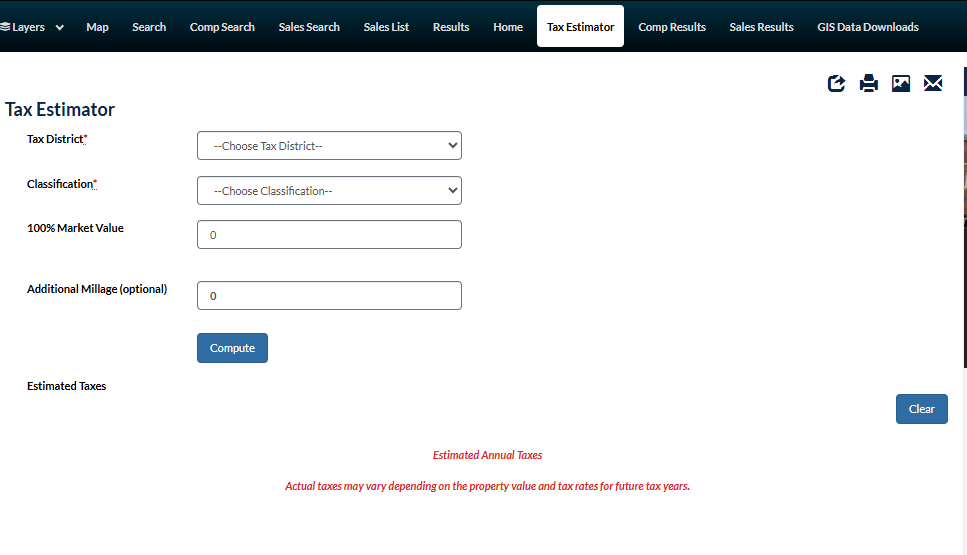
Portage County Conveyance Fee
The conveyance fee is the transfer tax paid when real estate changes ownership in Portage County. The amount is based on the sale price and must be paid before the deed can be recorded. In Portage County, the conveyance fee includes both the Ohio state conveyance fee and a county permissive real property transfer tax. The seller usually pays this cost at closing, and the County Auditor collects it during the property transfer filing.
What Is a Conveyance Fee?
A conveyance fee is a tax charged when property ownership transfers from one party to another and is often calculated in relation to the property valuation stated on the transfer documents. The fee applies to most real estate sales and certain taxable transfers. In Ohio, the conveyance fee has two parts:
- Ohio State Conveyance Fee: The state charges a mandatory fee on real estate transfers. This amount is calculated per $1,000 of the property’s sale price.
- County Permissive Transfer Tax: Counties may charge an added transfer tax. Portage County applies this permissive fee on top of the state rate.
Both amounts together form the real property transfer tax due at filing. The fee must be paid before the deed proceeds to property deed recording. Transfers that involve no sale price, such as certain family transfers or court orders, may qualify for exemption. The filer must state the legal exemption code on the conveyance statement.
Current Conveyance Fee Rate in Portage County
The current transfer tax rates in Portage County are structured as follows:
| Fee Type | Rate | Based On |
|---|---|---|
| State Conveyance Fee | $1.00 per $1,000 | Sale price |
| County Transfer Fee | $3.00 per $1,000 | Sale price |
| Total Transfer Cost | $4.00 per $1,000 | Rounded sale value |
How It Works
- The total rate equals $4.00 per $1,000 of sale price.
- The calculation uses the declared sale price listed on the conveyance statement filing.
- The taxable value is rounded up to the nearest $100 before calculation.
How to Calculate Transfer Tax
The transfer tax calculation follows a simple formula:
Formula: (Sale Price ÷ 1,000) × 4 = Total Conveyance Fee
Since Portage County charges $4 per $1,000, the total deed transfer cost equals four dollars for every thousand dollars of value.
Example Calculation
Sale Price: $250,000
- Divide by 1,000
250,000 ÷ 1,000 = 250 - Multiply by total rate
250 × $4 = $1,000 total conveyance fee
Rounding Logic
Ohio law requires rounding the sale price up to the nearest $100 before applying the rate. This rounding affects the transfer tax estimate by a small amount, usually a few dollars.
Example:
- Sale price: $250,050
- Rounded value: $250,100
- Calculation applies to rounded amount
Portage County Conveyance Fee Calculator
To help users estimate closing costs accurately, you can add a Portage County Conveyance Fee Calculator based on the official rates published by the Portage County Auditor.
Official Fee Source: https://beacon.schneidercorp.com/Application.aspx?AppID=1147&LayerID=30592&PageTypeID=2&PageID=12400
How the Calculator Works
User Inputs:
- Sale price
- Number of parcels
Calculator Displays:
- Total payable amount
- State conveyance fee
- County permissive fee
- Per-parcel transfer fee
Formula
- Round the sale price up to the nearest $1,000.
- Multiply the rounded value by $4.00 (the combined conveyance rate per $1,000, including state and county).
- Add $0.50 for each parcel transferred.
This calculator helps buyers, sellers, and title professionals estimate transfer tax costs, deed conveyance fees, and ownership filing costs before closing. The conveyance fee is a required component of every taxable property transfer in Portage County, and applying the correct formula ensures accurate transfer tax calculations prior to filing the deed for recording.
Required Forms for Property Transfer
A conveyance statement and a properly prepared deed transfer document are required to complete a property transfer in Portage County. These forms allow the county to process the title transfer filing, calculate taxes, and officially record the ownership change. Every real estate transaction in Portage County must include accurate paperwork before the deed can be recorded. Missing information or incorrect formatting may delay approval. Below are the key forms and supporting documents required for a successful filing.
Official URL to access forms: https://www.portagecountyauditor.org/forms/
Conveyance Statement
The Conveyance Statement is a mandatory document filed with the Auditor before deed recording. (Form DTE 100 / DTE 100EX) Ohio uses two standard versions:
- Form DTE 100: https://www.portagecountyauditor.org/media/10373/dte100new2023.pdf
- Form DTE 100EX: https://www.portagecountyauditor.org/media/3887/dte100exgood.pdf
When Is It Required?
The form must be submitted before the deed proceeds to recording. A conveyance statement is required for:
- Residential or commercial property sales
- Land transfers
- Transfers involving payment or consideration
- Any change in legal ownership
Exemption Situations
Some transfers qualify for exemption from the conveyance fee. In those cases, Form DTE 100EX is required. The filer must state the legal exemption code and describe the reason for exemption on the form. Common exemption examples include:
- Transfers between spouses
- Transfers into or out of a trust without payment
- Court-ordered transfers
- Inherited property transfers
- Transfers correcting a prior deed
Information Needed on the Conveyance Statement
The Auditor reviews this information to verify property value and calculate the real property transfer tax. The form requires:
- Parcel number
- Property address
- Legal description reference
- Sale price (if applicable)
- Grantor (seller) name
- Grantee (buyer) name
- Type of deed
- Signature of responsible party
Deed Types Accepted
A valid deed transfer document must accompany the conveyance statement. The deed legally transfers ownership from the grantor to the grantee. Portage County accepts several deed types:
- Warranty Deed: Provides full legal protection to the buyer. The seller guarantees clear title and defends against claims.
- Quitclaim Deed: Transfers whatever ownership interest the grantor holds, without warranty. Often used for family transfers or correcting title issues.
- Survivorship Deed: Transfers property automatically to the surviving owner when one owner dies. Common for married couples.
- Transfer on Death Deed: Names a beneficiary who receives the property upon the owner’s death, avoiding probate.
Each deed must include:
- Complete legal description
- Parcel number
- Grantor and grantee names
- Notarized signatures
- Proper formatting for recording
How to Transfer Property in Portage County
Portage County Property Transfer requires preparing a valid deed, filing a conveyance statement, paying the conveyance fee, and recording the deed with the county. The property transfer process becomes official once the Recorder updates public land records and the Auditor reflects the new owner in tax records. Every real estate transfer in Portage County must follow a structured filing procedure. Missing steps can delay recording or cause rejection. The guide below walks through each stage in clear order.
Prepare the Deed
The process starts with drafting the deed. The deed is the legal document that transfers ownership from the grantor (current owner) to the grantee (new owner). Formatting must meet county recording standards. Margins, font size, and document layout matter. Many people hire an attorney or title company to prepare the deed to avoid errors. If the legal description does not match county records, the filing may be rejected.
The deed must include:
- Full legal description of the property
- Correct parcel number
- Grantor and grantee names
- Type of deed (Warranty, Quitclaim, Survivorship, or Transfer on Death)
- Notarized signatures
Complete Conveyance Statement
Next, complete the Conveyance Statement (Form DTE 100 or DTE 100EX). This form reports the sale price or states the exemption reason. If the transfer qualifies for exemption, the filer must select the correct exemption code and provide supporting details. This step forms the foundation of the title transfer filing and allows the county to determine transfer tax obligations.
Information required:
- Parcel number
- Property address
- Sale amount (if taxable)
- Transfer type
- Buyer and seller information
Calculate Conveyance Fee
Most property sales require payment of a conveyance fee. This real property transfer tax is based on the sale price.
Current total rate in Portage County:
- $1.00 per $1,000 (State of Ohio)
- $3.00 per $1,000 (County permissive tax)
- Total: $4.00 per $1,000
Quick Formula
Sale Price ÷ 1,000 × 4 = Total Fee
The sale price is rounded up to the nearest $100 before applying the rate.
Example:
Sale price: $200,000
200,000 ÷ 1,000 = 200
200 × 4 = $800 conveyance fee
Submit to Portage County Auditor
Bring the deed and conveyance statement to the Portage County Auditor’s Office. The Auditor’s stamp confirms the transfer tax was handled correctly. Without this stamp, the Recorder cannot accept the deed. Processing time depends on office workload. Many filings are reviewed the same day.
The Auditor will:
- Review the conveyance statement filing
- Verify sale price and property value
- Confirm parcel number accuracy
- Collect conveyance fee or review exemption
- Stamp the deed with approval
Record with Recorder’s Office
After Auditor approval, submit the stamped deed to the Portage County Recorder’s Office. Recording creates the official public record of ownership change. This protects the new owner’s legal interest in the property. Recording fees apply and are separate from the conveyance fee.
The Recorder will:
- Assign a recording number
- Stamp the official recording date
- Index the document by name and parcel
- Add it to permanent county land records
Confirmation of Ownership Update
Once recorded, the Recorder updates land records immediately. The Auditor updates tax ownership records within several business days. If the ownership does not appear after 7–10 business days, contact the Auditor or Recorder for status.
To confirm completion:
- Search the parcel on the Auditor’s website
- Verify the new owner’s name appears
- Check transfer history for the recorded sale date
Special Property Transfer Situations
Portage County Property Transfer rules vary in special legal situations such as inheritance, divorce, gifts, and transfers into trusts or LLCs. Many of these transfers follow a modified property transfer process and may qualify for exemption from the conveyance fee. Property ownership in Portage County does not always change through a standard home sale. Some transfers happen through probate court orders, divorce decrees, or estate planning strategies. Each scenario requires proper documentation, deed preparation, and conveyance statement filing.
Inheritance / Estate Property Transfer
A probate property transfer occurs when property passes to heirs after the owner’s death. If the property goes through probate, the court authorizes the transfer through an estate order. This process is often called estate deed filing. The transfer may qualify for exemption from the conveyance fee since no traditional sale occurs. If the property was placed in a survivorship deed or transfer-on-death designation, probate may not be required. The surviving owner records an affidavit or updated deed to reflect ownership. Proper recording protects heirs and updates county tax records.
In most cases, the estate representative prepares:
- An executor’s deed or fiduciary deed
- Court-certified probate documents
- A conveyance statement (often DTE 100EX if exempt)
Divorce Property Transfer
A court ordered deed transfer may occur during divorce proceedings. When a judge awards real estate to one spouse, the other spouse must sign a deed transferring their interest. Many divorce-related transfers qualify for exemption from the conveyance fee. The filer must reference the correct exemption code on Form DTE 100EX. Even though no sale price exists, the deed must still go through the Auditor and Recorder. Recording updates public ownership records and removes the former spouse from the title.
This type of transfer requires:
- Certified copy of the divorce decree
- Quitclaim deed or special warranty deed
- Conveyance statement filing
Gifted Property
A zero consideration transfer occurs when property is gifted without payment. Parents may gift property to children, or one family member may transfer ownership to another. The conveyance statement will show zero sale price and include an exemption code if applicable. Some gifted transfers qualify for exemption from the real property transfer tax, though certain situations may still trigger tax depending on how the transfer is structured. Accurate documentation prevents confusion during future sales or refinancing.
Although no money changes hands, the county still requires:
- Properly drafted deed
- Conveyance statement
- Declaration of gift status
Transfer to LLC or Trust
Property owners sometimes transfer real estate into a limited liability company (LLC) or a trust for asset protection or estate planning. If ownership remains with the same person but changes legal structure, the transfer may qualify for exemption. The filer must select the proper exemption code and complete Form DTE 100EX when applicable. Even internal transfers must follow the full title transfer filing process and be recorded with the county.
This type of business property conveyance requires:
- New deed listing the LLC or trust as grantee
- Legal name of the business entity or trust
- Trust certification or LLC documentation
- Conveyance statement filing
Exempt Transfers
Some property transfers in Portage County do not require payment of the conveyance fee. These situations typically involve no market sale. In these cases, filers use Form DTE 100EX instead of DTE 100. This form allows the transfer to proceed without paying the real property transfer tax.The Auditor reviews the exemption claim before approving the deed for recording. If documentation is incomplete, the office may request clarification before stamping approval.
Common exemption examples include:
- Transfers between spouses
- Transfers resulting from divorce decree
- Probate estate distributions
- Transfers into a revocable trust
- Transfers correcting an error in a prior deed
- Certain government-related transfers
Frequently Asked Questions
Property owners often have practical questions about the Portage County Property Transfer process. Clear answers help prevent delays, extra fees, or rejected filings. The questions below address conveyance fees, deed recording timelines, exemptions, and ownership verification. Each answer reflects current county procedures and standard Ohio real estate practices.
How much is the conveyance fee in Portage County?
The conveyance fee in Portage County totals $4.00 per $1,000 of the sale price. This includes the Ohio state conveyance fee of $1.00 per $1,000 and the county permissive transfer tax of $3.00 per $1,000. The calculation follows a simple formula: divide the sale price by 1,000 and multiply by four. Ohio requires rounding the sale price up to the nearest $100 before applying the rate. For example, a $250,000 sale results in a $1,000 transfer tax. This real property transfer tax must be paid during the conveyance statement filing before the deed moves to recording. The Auditor verifies the amount and stamps approval once payment is complete.
Who pays transfer tax in Ohio?
In most Ohio real estate transactions, the seller pays the transfer tax. This payment occurs at closing when the conveyance statement is submitted to the County Auditor. Although contracts may assign the cost differently, local custom places the deed transfer cost on the grantor. The Auditor collects the conveyance fee before approving the title transfer filing. If the transaction qualifies for exemption, the filer must submit Form DTE 100EX instead of paying the fee. Buyers should confirm payment responsibility in the purchase agreement. Once the fee is paid or exemption approved, the deed proceeds to recording. Payment of ownership filing fees remains a required step in completing the property transfer process.
How long does a deed transfer take?
A deed transfer in Portage County usually takes between a few business days and two weeks. The timeline depends on document accuracy and office workload. The process begins with conveyance statement review at the Auditor’s office. After approval and fee payment, the deed moves to the Recorder for property deed recording. Recording may occur the same day or within several days. The Auditor then updates online tax and ownership records. Public parcel search systems typically reflect the new owner within 3 to 10 business days. Errors in parcel numbers, legal descriptions, or missing signatures can delay the process. Checking records online helps confirm when the transfer becomes official.
Can I transfer property without an attorney?
Ohio law does not require an attorney to complete a property transfer. A property owner may prepare and file a deed independently if it meets recording standards. The deed must include the correct legal description, parcel number, grantor and grantee names, and notarized signatures. Formatting must comply with county margin and layout rules. Mistakes in the legal description can create title issues later. For simple family transfers, many owners complete the paperwork without legal help. For complex cases such as probate property transfer, divorce settlements, or trust conveyance, professional assistance reduces risk. Title companies frequently manage conveyance statement filing and ensure the deed meets recording requirements.
Are gifts exempt from conveyance fee?
Gifted property transfers often qualify as zero consideration transfers and may be exempt from the conveyance fee. When no money changes hands, the filer typically uses Form DTE 100EX and selects the proper exemption code. The Auditor reviews the explanation before approving the transfer. Even without payment, the deed must still follow the full property transfer process and be recorded with the Recorder’s office. Certain structured transfers may still trigger a real property transfer tax, so accurate documentation is important. Proper exemption filing protects both parties and keeps public records clear. After approval, the deed transfer becomes part of the permanent county land record system.
How do I check property ownership after transfer?
To confirm ownership after a deed transfer, search public records through the Portage County Auditor’s Office website. Use the parcel search, owner name search, or address lookup tool. The system displays current ownership, transfer date, and property transfer history. The Recorder updates deed recording records immediately after filing. The Auditor updates tax ownership records within several business days. If the new owner does not appear within 7 to 10 business days, contact the county office for verification. Keeping a copy of the recorded deed provides proof of transfer. Online ownership records lookup tools remain the fastest way to confirm a completed title transfer filing.